Surviving Puppyhood
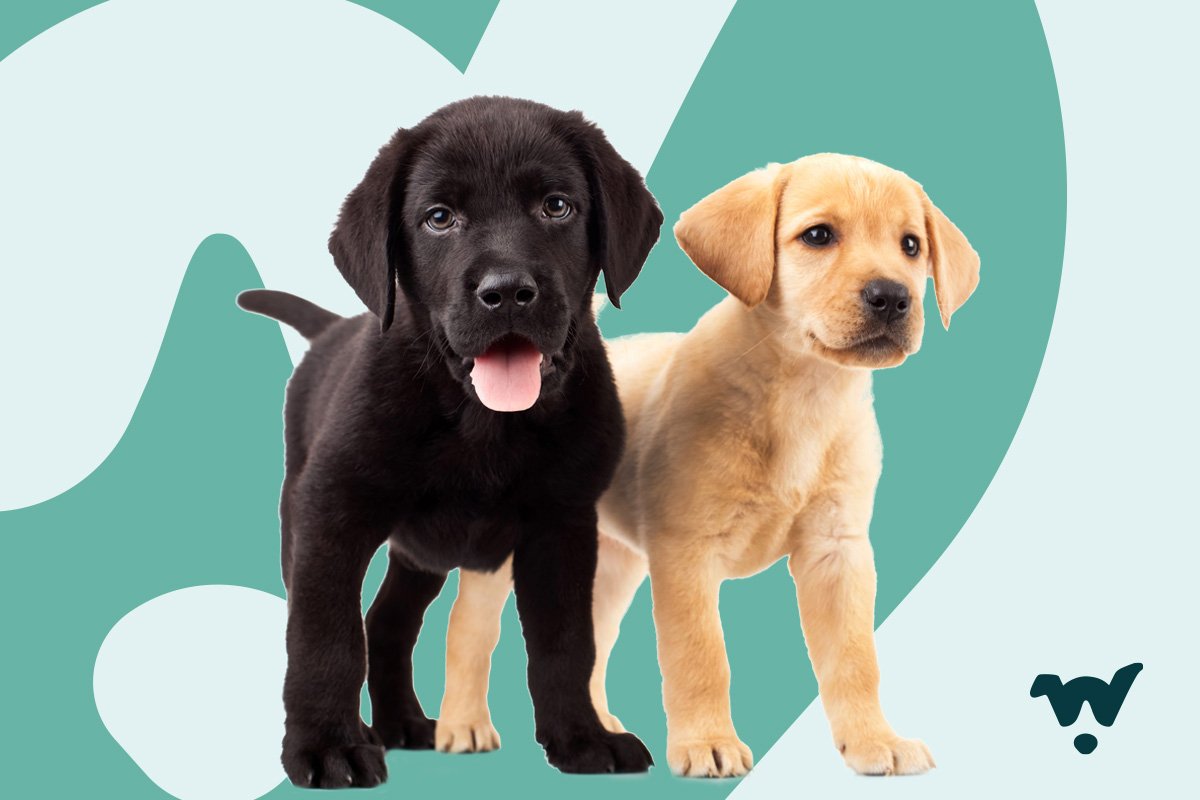
Five tips for your new puppy from a certified professional dog trainer.
There’s no need to sugar-coat it, adding a new puppy to your family can be exhausting. Whether you’re a first-time puppy guardian or it’s been years since you last had a puppy, there is a lot to remember when it comes to raising a puppy.
Our lab puppy, Reagan, just turned one year old… so as a retrospective I wanted to share my top five tips for surviving—and thriving!—through puppyhood.
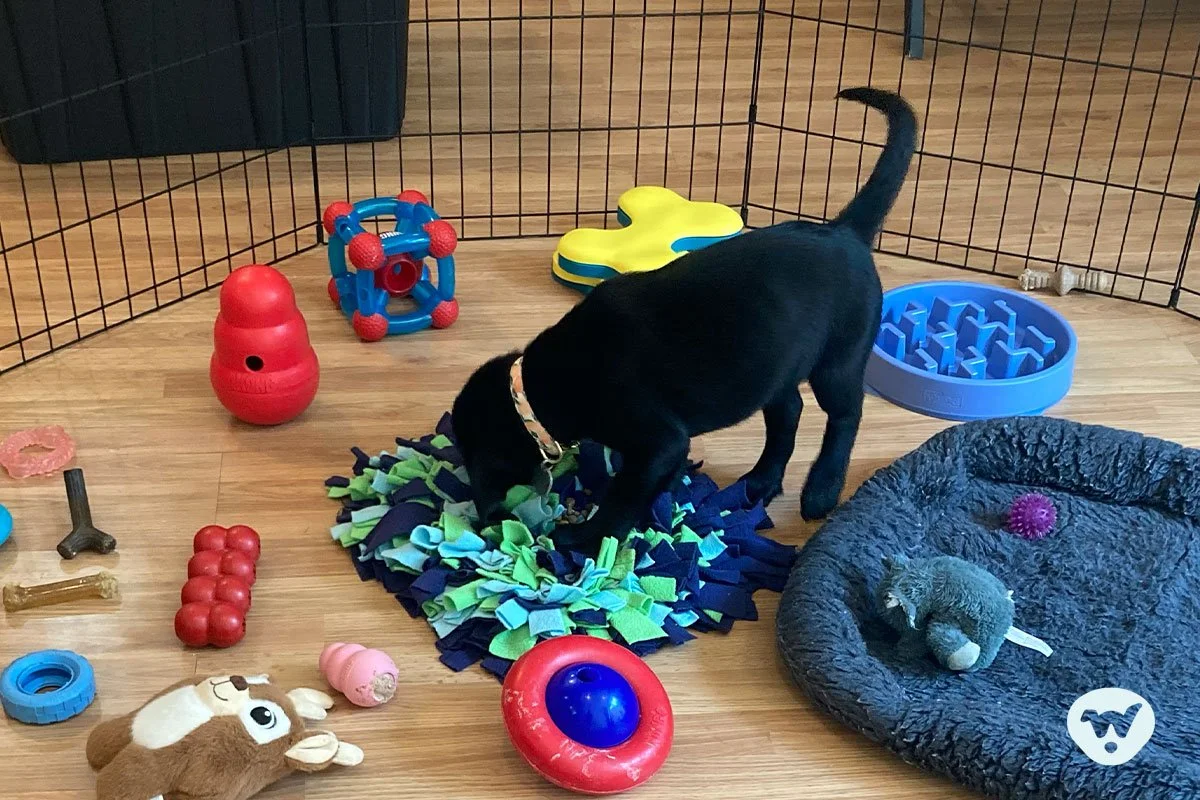
Our black lab puppy, Reagan, always had tons of toys in her exercise pen (especially at meal time!).
TIP #1
Set up an exercise pen connected to a crate.
It’s great that your new puppy wants to explore the world around them, but it can cause trouble when your puppy realizes that it feels good on their teeth to chew on grandma’s antique chairs or your kitchen cabinets. So when you can’t actively supervise your puppy (like a helicopter parent), it’s best to have a safe spot to put them where they cannot get into trouble.
An exercise pen (“ex-pen”) connected to a dog crate creates a perfect confinement area to set your puppy up for success and save your furniture from chewing. I recommend making sure the exercise pen accounts for all sides of the enclosure, so your puppy doesn’t have the opportunity to chew your baseboards. You’ll also want to put your puppy’s ex-pen on hard floors for easy accident cleanup (No hard floor? No problem. Go to Lowes or Home Depot and pick up a large scrap of linoleum and secure it with cinderblocks). Your puppy’s pen should be outfitted with water, toys, appropriate chews, a bed or blanket, and a stuffed Kong or other filled enrichment toy. By giving your puppy their own safe space, filled with only appropriate puppy supplies, you eliminate the risk of accidental chewing and also help the potty training process.
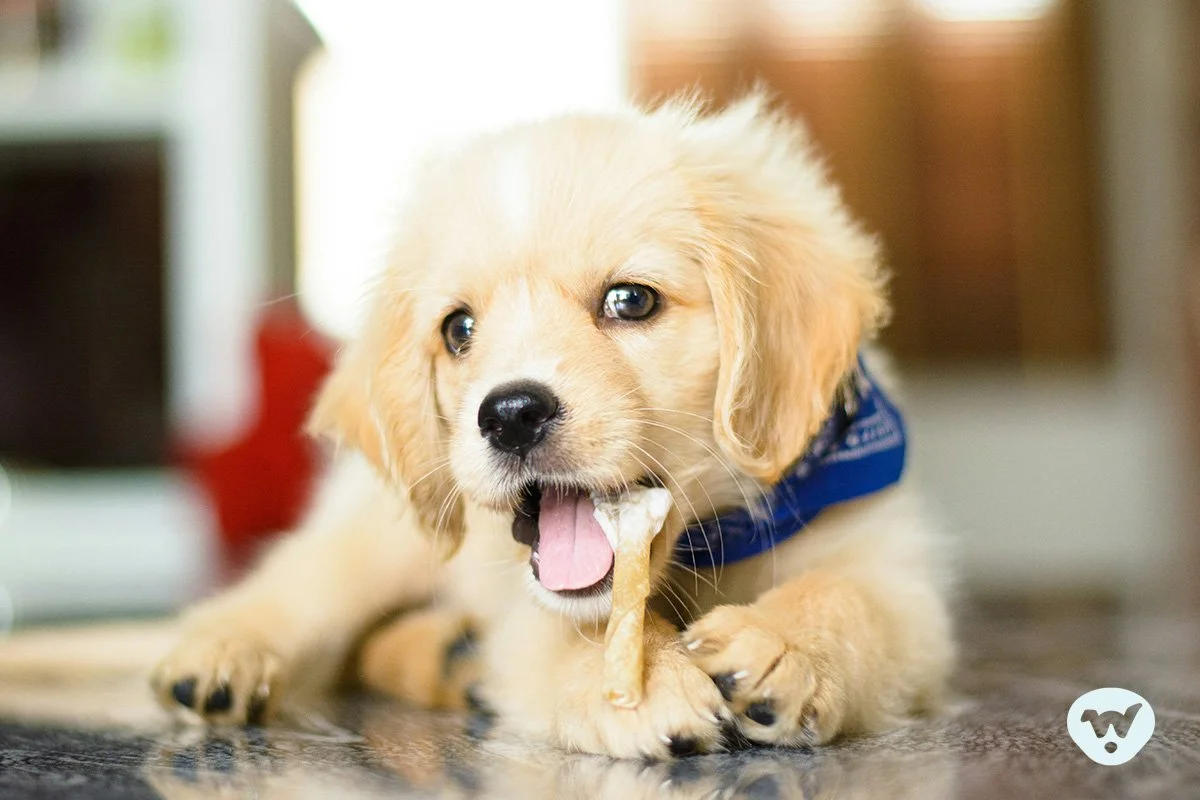
A young puppy enjoys an age-appropriate chew.
TIP #2
Never be without appropriate chews and pacifiers.
Puppies are very likely to be mouthy when they are tired or overstimulated so you never want to be without chews on hand to give your pup. Here are some of my favorites:
Bully sticks and rawhide alternatives (look for ones made in the USA) meet your puppy’s need to chew and dissect — just watch to make sure that they don’t consume the end of it whole as it poses a choking hazard.
Stuffed Kongs or Woofs Pupcicles allow your puppy to work to eat as they have to lick their toy and work to get the tasty filling out. This activity should take your puppy some time and you may find them asleep by the time they are done! Freeze the stuffed toy for an extra few minutes of quiet time from your puppy.
Puppy Nylabones have a soft, chewy coating with lots of little spikes that soothe your puppy’s mouth while they are teething.
Keep a bag or two of bully sticks on hand, your freezer stocked with Kongs, and make sure to have other appropriate chews and toys around the house so an alternative to chewing your hand is always within reach! And, if your puppy gets extra mouthy, don’t feel bad quietly putting them into their confinement area with their chew toy. You’ll often find puppies are the most mouthy when they are tired and need a nap!
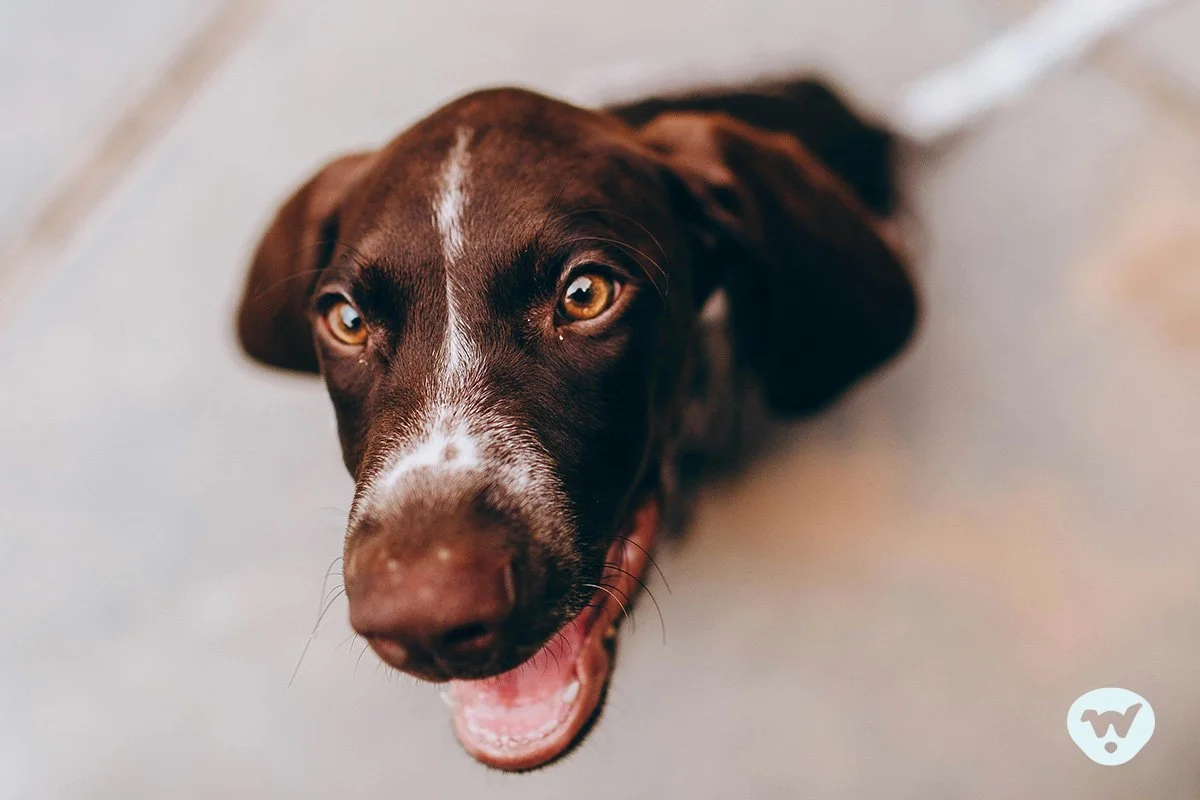
Your puppy will offer a lot of attention to you when they are young. Now is the time to pay for it!
TIP #3
Pay big for focus and attention.
You are the center of your new puppy’s world! Now is the time to capitalize on that attention. Remember, that what gets reinforced gets repeated—so now is the time to treat liberally for your puppy’s focus and attention to you!
Here’s how to start:
Step 1 - Name Game
Say your puppy’s name
Treat your puppy
Repeat
When you notice your puppy turning their head at the sound of their name, increase the criteria for the treat.
Step 2 - Reward Focus
Say your puppy’s name
When your puppy looks you in the eye say “yes!”
Quickly deliver a treat
Repeat
Play these games every day, a few times a day and you will be well on your way to a focused puppy. Your lifelong training journey becomes a lot easier when you have your puppy’s attention on YOU!
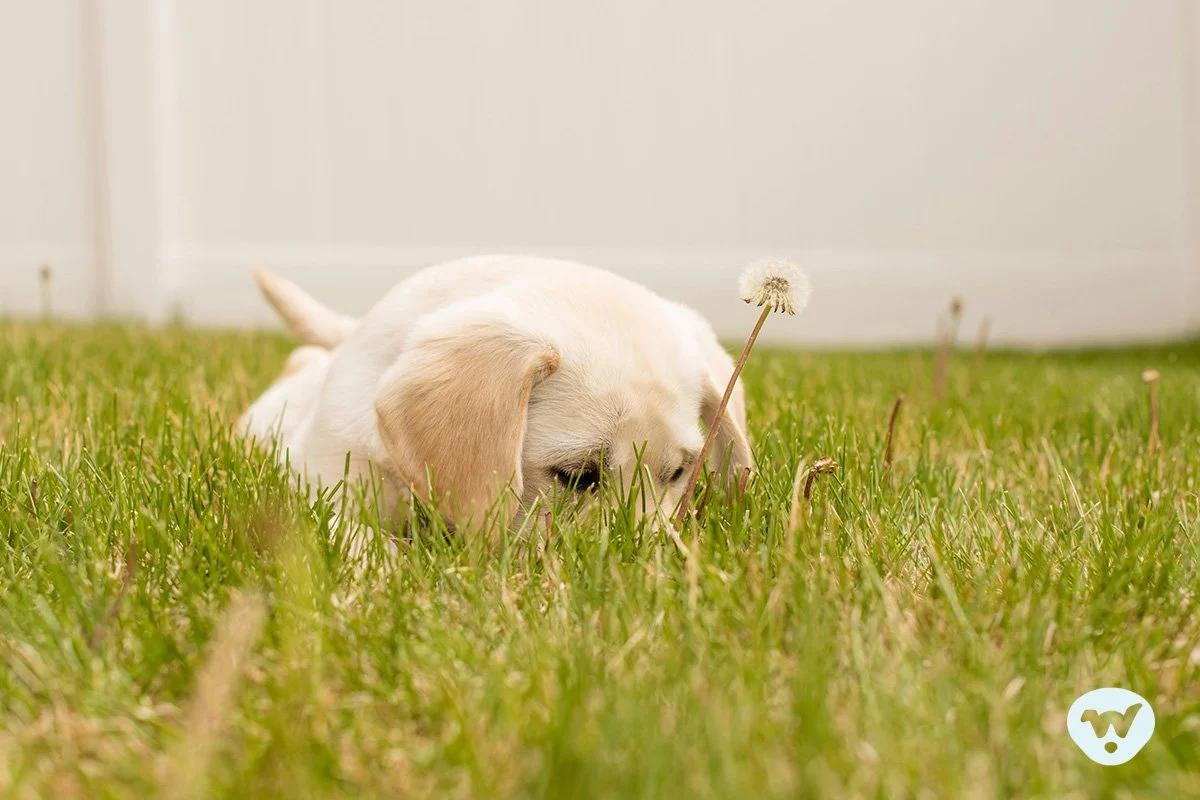
Sniffing is usually a good indication your puppy is going to squat and potty. Take your puppy outside often and make sure you are ready to reward when they do!
TIP #4
Offer plenty of opportunities to potty outside.
Potty training is not a natural thing for your puppy, so it is up to you to make sure that they get outside often so you can reward the behavior you like (potty outside) and reduce the number of accidents they have inside. Remember, you can also put your puppy in their crate or exercise pen when you cannot watch them. Dogs are naturally clean animals so they will do what they can to avoid eliminating in their crates or pens.
I recommend taking your puppy out:
Immediately when he wakes up in the morning or after a nap
After each play session
Every hour to hour and a half
A few minutes after chewing a chew toy
After he drinks water or eats
After you have been training with treats
If you see your puppy sniffing and circling in the house.
For more detailed potty training information, check out blog, How to Potty Train Your Puppy.
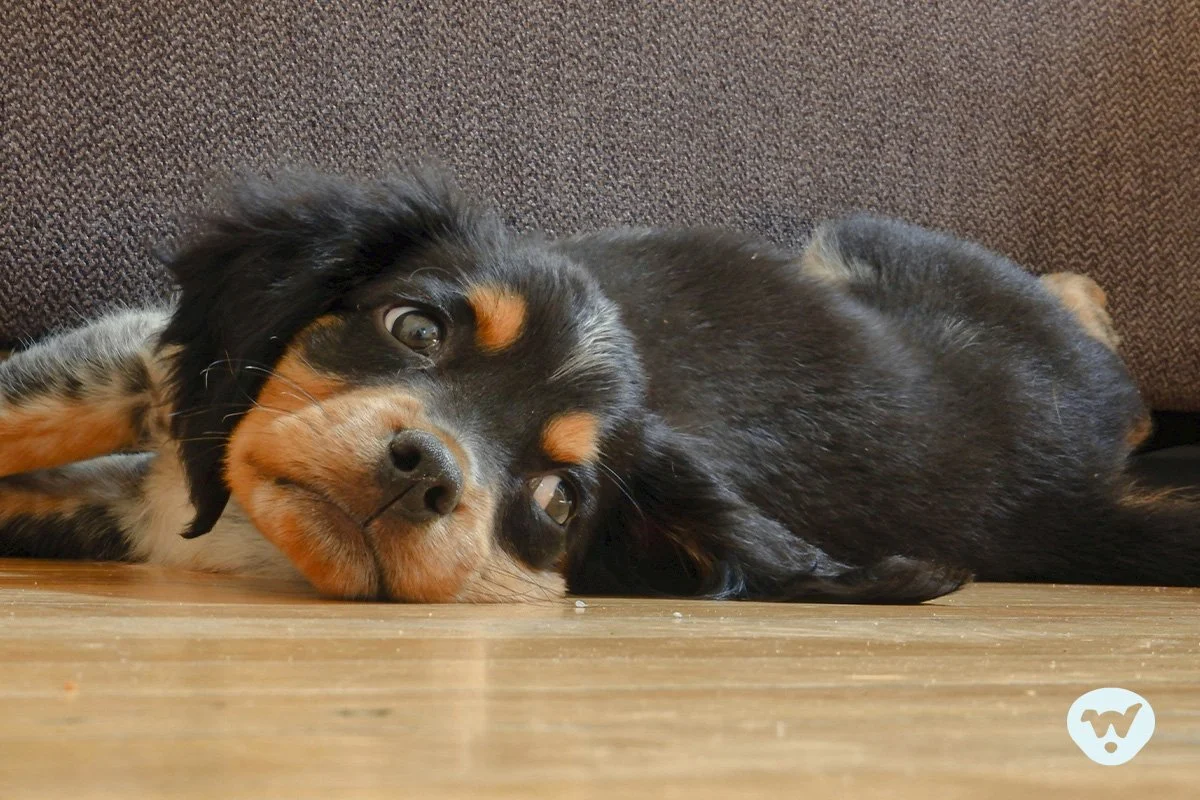
Rewarding your puppy for moments of calm will help them become more frequent.
TIP #5
Look for moments of “yes!”
It is very easy to become frustrated by seeing everything your new puppy does that you don’t like. I challenge all of my new puppy clients to shift their perspective and look for everything their new puppy does throughout the day that they do like.
Keep jars of treats around the house (high-value but non-perishable, of course!) When you catch your puppy doing something you do like, reward them with a treat from the jar.
Puppy sits down to say hi? Treat that!
Puppy looks at you amid a distraction? Another treat!
Puppy quietly lays down while Mom and Dad watch TV? Be ready with your treats.
Your puppy is always learning whether or not you are actively training. And, your puppy is going to perform the behaviors you will eventually aim to train, so start reinforcing those behaviors now if you want to see them happen more often!
Hop on over to my blog Dog Training for Busy Pet Parents for more ways to incorporate this into your daily routine.
Are you looking for a dog trainer for your new puppy in Gainesville, Virginia?
I offer private dog training and group dog training classes in Bristow, Virginia.
Contact me to get started training your Wonderdog!